
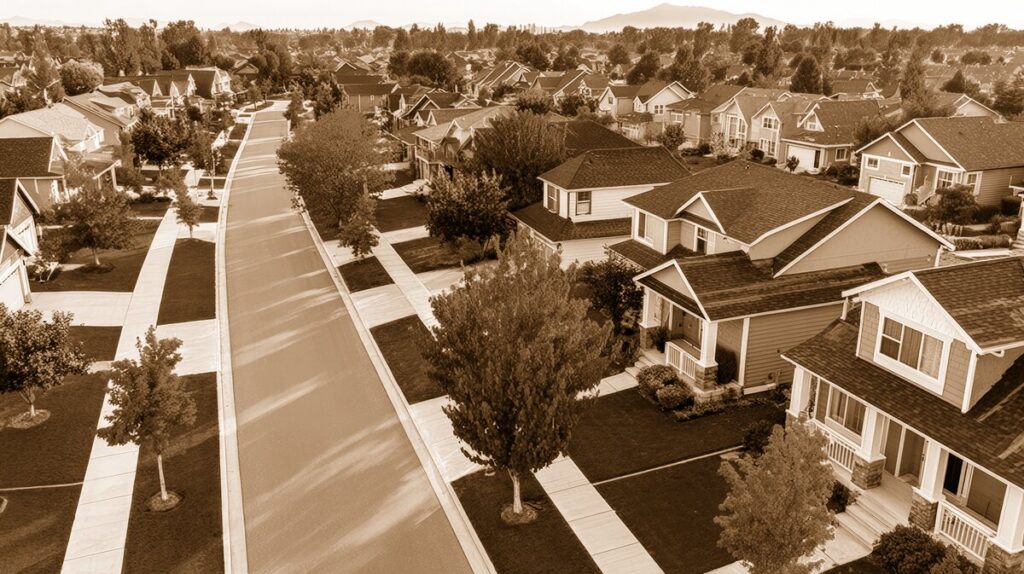
Nestled in the heart of Long Beach, the Lower Westside is a vibrant neighborhood with a rich history, a resilient spirit, and roots that stretch back over a century. Often overshadowed by nearby downtown and flashy new developments, the Lower Westside offers a glimpse of Long Beach’s deep heritage, diverse communities, and enduring sense of pride.
Origins: From Ranch Land to Urban Neighborhood
The story of the Lower Westside begins in the late 19th and early 20th centuries, when much of western Long Beach was open ranch land. Early maps show this area as part of vast Mexican land grants before California became a state. Following incorporation in 1888, Long Beach—like many burgeoning West Coast cities—attracted waves of settlers, entrepreneurs, and, eventually, industry.
The Lower Westside’s boundaries evolved over time, but it is generally recognized as the area west of the Los Angeles River, bordered by Pacific Coast Highway (PCH) to the north, the 710 Freeway to the east, Santa Fe Avenue to the west, and Willow Street to the south. Former railroad lines and oil derricks once dotted these flatlands, giving way to residential and commercial growth by the 1920s.
The name “Lower Westside” came about organically from local usage. Residents and city planners needed a way to distinguish this area from the slightly hillier Upper Westside and neighboring West Long Beach—"Lower" referring both to its elevation and its location closer to the Port and the river. The neighborhood soon developed an identity all its own.
Key Historical Milestones
*Early Expansion and Industry*: As the Port of Long Beach rose in prominence in the early 1900s, the Lower Westside benefitted from an influx of working families, many of whom came for jobs in shipping, manufacturing, and oil refining. Streets like Santa Fe Avenue and Chestnut Avenue became bustling corridors lined with shopfronts, laundromats, bakeries, and small churches.
*1930s-1950s Growth*: The neighborhood’s housing stock expanded rapidly during the mid-century boom, with many bungalows and modest apartment buildings erected for blue-collar families. Moreover, the area witnessed the growth of vibrant immigrant communities, particularly Latino and Filipino families who brought their own traditions, establishing small groceries, restaurants, and social clubs along Daisy Avenue, Magnolia Avenue, and beyond.
*Urban Renewal and Change*: Like the rest of Long Beach, the Lower Westside faced challenges in the latter half of the 20th century. The construction of the 710 Freeway carved through the area in the 1960s, altering traffic patterns and displacing dozens of households. Yet, despite economic challenges, the community maintained its close neighborhood feel.
Notable Landmarks and Institutions
The Lower Westside abounds with historical sites, cherished local spots, and gathering places:
*Daisy Avenue Greenbelt*: One of Long Beach’s hidden gems, the Daisy Avenue Greenbelt is a linear park running between Willow and Pacific Coast Highway. Each December, the community celebrates the famous Daisy Avenue Christmas Tree Lane Parade—an annual tradition illuminating the neighborhood with festive lights, marching bands, and homemade floats.
*Westside Christian Church*: Opened in the mid-1920s on Magnolia Avenue, this friendly neighborhood church continues to serve as a community anchor, hosting events and supporting local families.
*Cabrillo High School*: Technically at the neighborhood’s border, Cabrillo High and several local elementary schools like Garfield Elementary have shaped generations of working-class families, providing accessible education and serving as community gathering points.
*Historic Bungalows*: Along Willow and Burnett Streets, you can still admire clusters of 1920s and 1930s bungalow homes. These houses, many with original details intact, reflect the period’s optimism and craftsmanship.
Community Life and Changing Times
Through the decades, the Lower Westside has weathered both challenges and triumphs. Many older residents recall the days when neighborhood markets, such as the now-gone Santa Fe Market, were the focal point of daily life. Children rode bikes along Hill Street, and music spilled onto porches during neighborhood barbecues.
As Long Beach has grown more diverse and prosperous, so too has the Lower Westside. Recent years have seen new murals blooming on commercial buildings along Santa Fe and Pacific, celebrating the neighborhood’s multicultural roots. Family-run businesses share blocks with newer eateries and coffee shops—each one an emblem of the area’s ongoing revival.
Today, the Lower Westside is a tapestry of cultures: Mexican and Central American families mix seamlessly with African-American, Filipino, and Cambodian neighbors, infusing local schools, parks, and churches with life and energy.
Preserving Heritage for the Future
Efforts to preserve the Lower Westside's unique heritage have gained momentum in recent years. Local organizations and residents have advocated for preserving historic sites, improving parks, and promoting affordable housing initiatives, ensuring that the neighborhood's character isn’t lost to gentrification or overdevelopment.
Neighborhood associations, such as the Westside Neighborhood Association, organize clean-ups, block parties, and cultural celebrations, fostering a sense of civic pride and unity. The Lower Westside is also known for its grassroots activism—residents have worked for decades to address environmental concerns, particularly related to proximity to the Port and freeway.
Why the Lower Westside Endures
Ask any longtime resident, and they’ll tell you: what sets the Lower Westside apart is its resilient spirit and sense of belonging. People here take pride in their history—whether it’s a family recipe handed down for generations, a hand-built rose garden in front of a bungalow, or a community mural that tells the story of migration and hope.
The Lower Westside may not make many tourist brochures, but those who call it home know its true worth: a living neighborhood with roots in Long Beach’s past and eyes on a hopeful, inclusive future.
Walk its streets, chat with its neighbors, and you’ll understand what makes the Lower Westside not just a corner of Long Beach, but the beating heart of its working-class heritage—a place where history is lived every day.